How to Sell a Car Without Getting Scammed: The Safe Handover Order
To sell a car without being scammed, hand over nothing until the full amount shows as cleared in your own bank account. Treat screenshots, emails and links as worthless as proof of payment. Then give the buyer the green slip and tell DVLA you’ve sold it. Most seller scams fall apart against those two rules.1
A potential buyer have just shown keen interest in your car, they love the car, they don’t haggle and they’re willing to pay in full today. An hour later, an email lands that looks like it’s from your bank: payment received, pending release.
Pause right there and don’t get too excited, everything about that deal is built to make you move before your bank does.
In this guide, you’ll learn the scams aimed at sellers, the order that keeps you safe at handover, what to say to a suspicious buyer, and what to do if you’ve been targeted.
Table of Contents
Key Takeaways
- Only your own banking app shows whether money has arrived.
- Never refund an overpayment, or pay a “courier”, because the original payment will be reversed.
- Never click a link a buyer sends, including “vehicle check” and “payment portal” links.
- Keep the V5C in your hand until you’ve been paid, and don’t share its reference number or photos.
- Tell DVLA online as soon as you’ve sold, and give the buyer the green slip.
- Keep the adverts, messages, receipt and DVLA confirmation.
UK Finance’s Annual Fraud Report 2026 found purchase scams, where someone pays in advance for goods that never arrive, made up 71% of bank-transfer scam cases in 2025, and gives “a criminal posing as the seller of a car” as an example.
For sellers, the mirror image is the fake payment: you hand over the car, and the money never arrives.2
What are the most common car selling scams?
| Scam | How it works | The tell | What to do |
|---|---|---|---|
| Fake payment confirmation | A screenshot or email “proves” payment | It arrives by email or message, not in your app | Wait for the money in your own account |
| Overpayment | The buyer “accidentally” pays too much and asks for a refund or courier fee | A fake payment, later reversed | Don’t send anything back |
| Courier or collection driver | A “courier” turns up with a fake confirmation | A company you can’t verify | Hand over only to the person who paid |
| Payment or “escrow” links | A “vehicle check”, portal or escrow site asks for card details, sometimes looking like a known brand | Any link from a buyer | Don’t click. Find any service yourself |
| Counterfeit cheque or cash | A forged cheque, banker’s draft or notes | A cheque for more than agreed | Don’t accept cheques |
| Payment-plan pressure | A small payment, then instalments that never arrive | “Can I pay in stages?” | Full payment before keys |
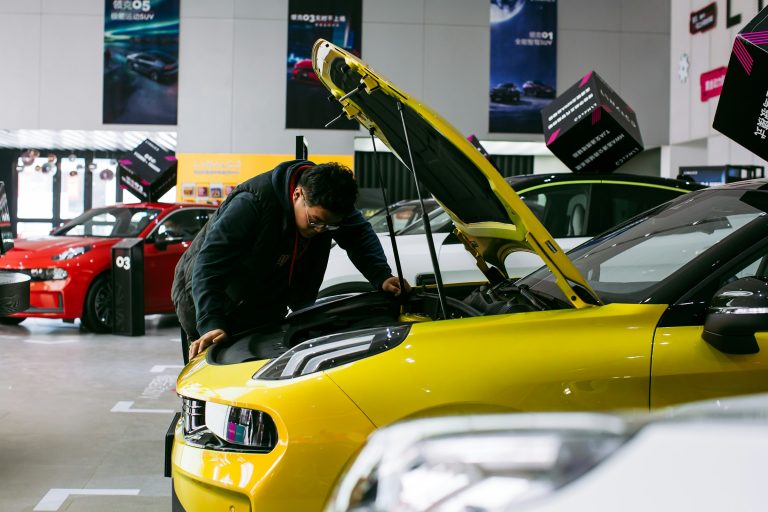
| Distraction buyers | A group takes a test drive, and one tampers with the engine to push the price down | Several “buyers” at once | Never leave buyers alone with the car |
| Casing and theft | A “buyer” scopes out your keys or home | Little interest in the car | Keep keys out of sight |
| Identity theft | A buyer asks to photograph your documents | Requests to copy the V5C or ID | Show them, but don’t share copies |
| Fake DVLA messages | Tax alerts and refund texts | Links and urgency | Use only GOV.UK |
Where to meet, and how to run a viewing
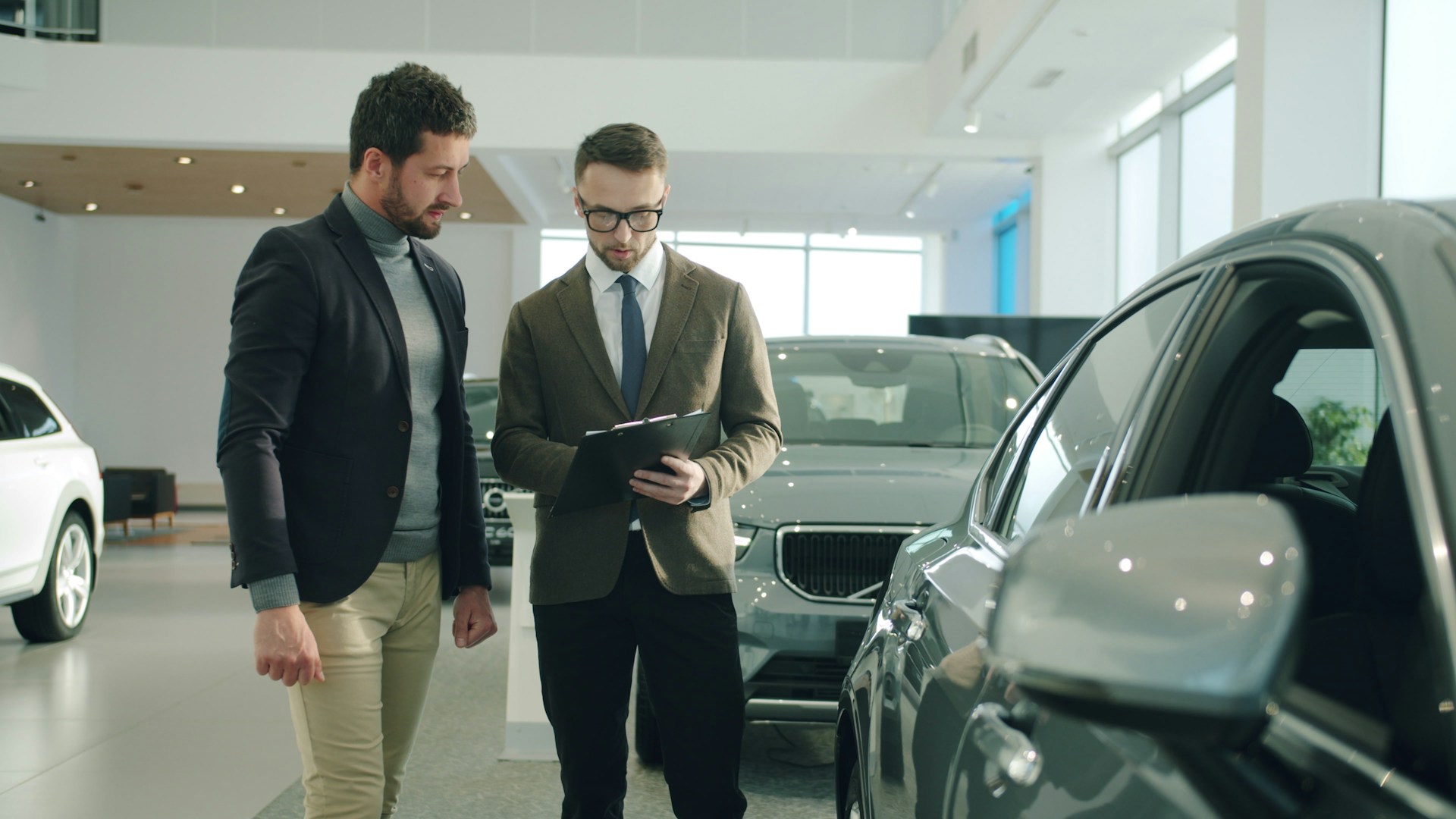
Some experts would suggest meeting at your home or somewhere you know, others adds that buyers may want to see the address on the V5C while most prefers a public, well-lit place like a supermarket car park, and says to bring a friend if a buyer comes to your home. Sources differ, so here’s the honest picture. Pick whichever you’re comfortable with, and don’t be afraid to walk away if you feel uneasy.
- Ask for the buyer’s name, mobile or landline, and address. A genuine buyer should be happy to give them.
- Take someone with you or have someone nearby.
- Don’t leave the buyer alone with the car, the keys or the documents. After five or ten minutes, go out and offer to start the engine.
- Show the V5C, MOT and one photo ID, and don’t let anyone photograph them.
- A free source of seller-safety advice is the Vehicle Safe Trading Advisory Group.
Test drives
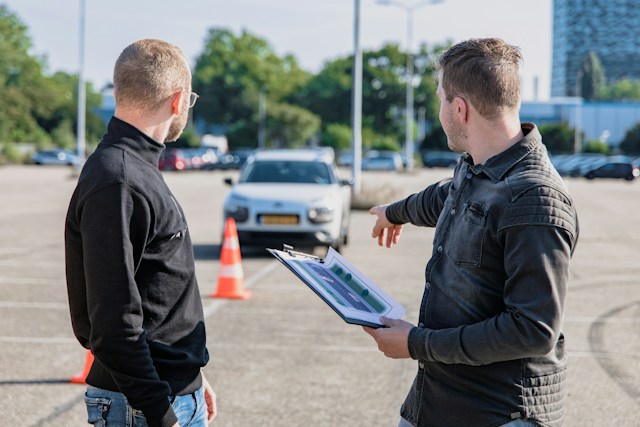
- Ask the buyer to bring their driving licence, and check it.
- Ask to see proof of insurance. If your car is still insured in your name, the buyer’s own policy might let them drive it, but it may only be third-party cover.
- Sit in the car with them, and take the keys out of the ignition when you swap seats. Keep a keyless fob in your hand.
- Never accept their own car as “security”.
- If the buyer isn’t insured, offer a drive with them as the passenger.
- The car must be taxed for the drive.
What to say to a suspicious buyer
- Overpayment: “I’ll only accept the agreed price. I won’t refund anything.”
- Courier: “I only hand the car over to whoever pays me.”
- Screenshot: “I’ll release the car once the money is in my account.”
Which payment methods are safe?
| Method | Verdict |
|---|---|
| Bank transfer | Safe once you see it in your own banking app |
| Cash | Risk of counterfeit notes, so meet at your bank to deposit it |
| Cheque or banker’s draft | Don’t accept them, as they can be forged |
| Links or “payment portals” | Never |
The safe handover order
- Cleared funds first. Open your own banking app and check the money is in your account. UK Faster Payments are usually instant, but a screenshot or an email proves nothing.
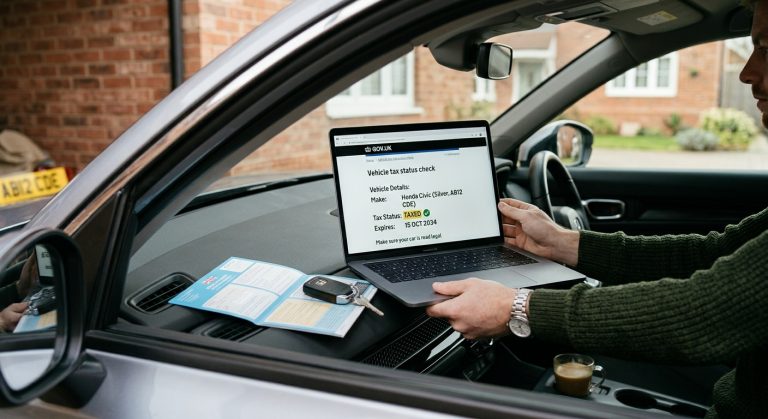
- Paperwork second. Give the buyer a written receipt with both names and addresses, the car’s details, the price, the mileage and the date, and keep a copy. Give them the green V5C/2 slip, and tell DVLA you’ve sold the car at GOV.UK. You’ll need the buyer’s full name and address.
- Keys last. Only when steps 1 and 2 are done do the keys go over.
If the buyer pushes you to skip a step, that’s your answer.
After the sale
Tell DVLA online, which updates the record immediately and gives you a confirmation email. When you tell DVLA, your tax is cancelled and you get an automatic refund for any full unused months.3 Keep the confirmation, because it protects you if fines arrive for a car you no longer own. The buyer must then tax it before driving, as our taxed car guide explains.
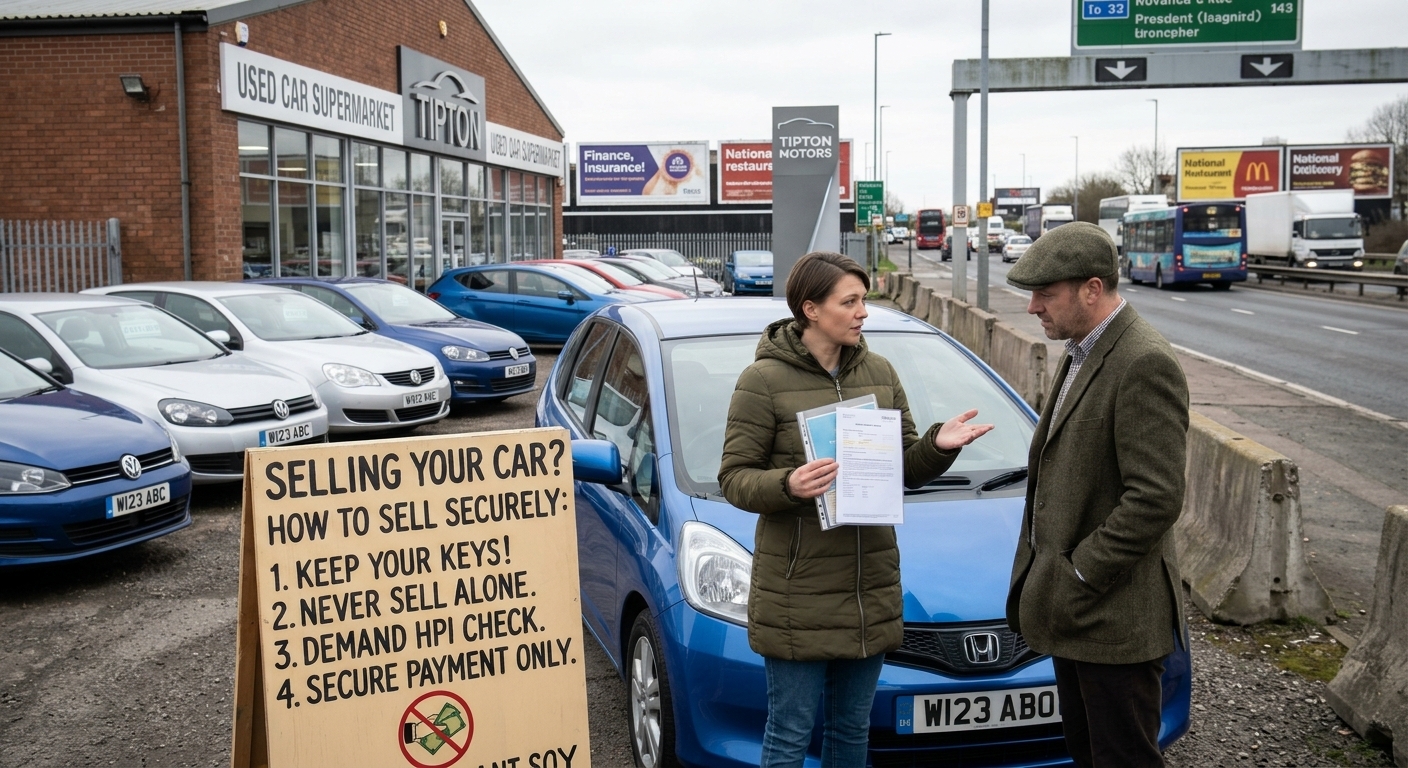
Red flags: walk away if…
- the buyer offers over the asking price with no haggling
- they want to pay by cheque, link or a third party
- they won’t view the car
- proof of payment arrives by email or screenshot
- someone is “sending a courier”
- they push you to release the car or keys before funds clear
If you’ve been targeted
- Stop all contact with the buyer, and keep the evidence.
- If you’ve sent money, tell your bank straight away. If you paid under a false story, you may be able to claim reimbursement under the bank-transfer fraud rules, but speed matters.4
- Report it to Report Fraud. See our car scams guide.
- Forward scam texts to 7726 and phishing emails to [email protected].
FAQ
Sources
- Inside DVLA: https://insidedvla.blog.gov.uk/2021/05/13/do-you-know-how-to-tell-dvla-online-that-youve-sold-or-transferred-your-vehicle/ ↩︎
- UK Finance, Annual Fraud Report 2026: https://www.ukfinance.org.uk/system/files/2026-06/UK%20Finance%20Fraud%20Report%202026.pdf) ↩︎
- West Yorkshire Police: https://www.westyorkshire.police.uk/ask-the-police/question/Q915 ↩︎
- PSR: https://www.psr.org.uk/information-for-consumers/app-fraud-reimbursement-protections/ ↩︎