How to Check If a Car Is Stolen
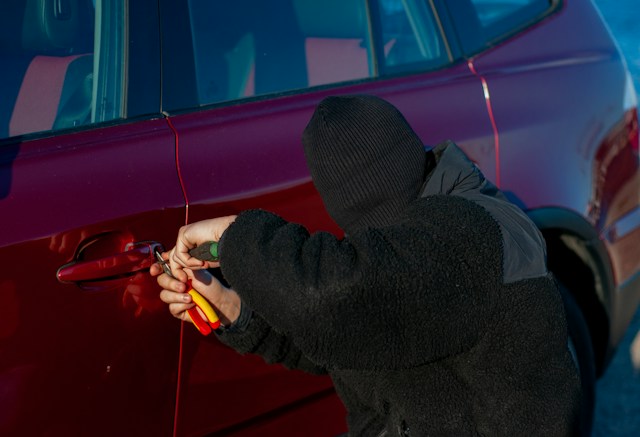
To check if a car is stolen, run a history check on its registration. It searches police and insurer theft records, which the free DVLA and MOT checks don’t. But plates can be cloned, so also check that the VIN on the car matches the V5C and the report. 1
Say a seller sends you a clean report. The registration checks out, the MOT is valid and the price looks fair. What the report can’t tell you is whether those plates belong on the car in front of you.
In this guide, you’ll learn what a stolen check covers, the clone test that catches what it misses, how to pay safely, and what to do if a car is flagged or you’ve already bought one.
Table of Contents
Key Takeaways
- Only a full history check searches police theft records. The free DVLA check doesn’t.
- A clean result means “not currently reported”. It doesn’t prove the car is genuine.
- Cloned plates make a stolen car look like a legitimate one, so check the VIN against the V5C.
- If it doesn’t add up, walk away and don’t pay.
- Pay by card where you can, so you have a route to your money.
- If you’ve bought a stolen car, call the police and don’t return it to the seller.
Can you check if a car is stolen for free?
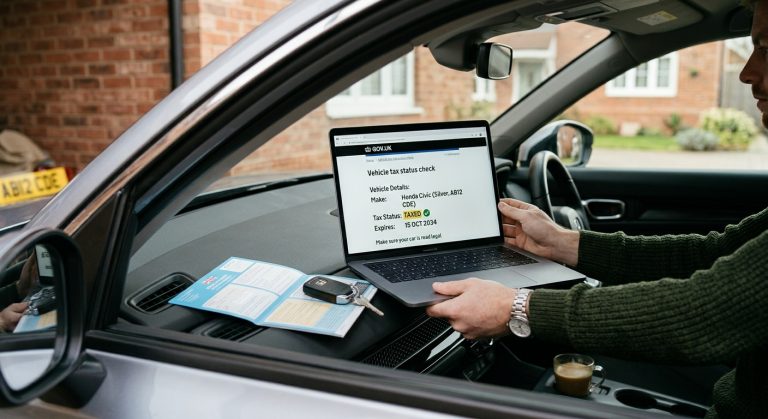
The free DVLA and GOV.UK checks show tax, MOT and basic vehicle details, but they don’t confirm whether a car has been reported stolen. Though a few private services claim to offer a free “is it recorded as stolen?” check against police data, but it is worthy to note that they’re not run by the police , they give no guarantee, and the data can lag, so treat a clear result as a first pass. 2
Before you make any payment, run a full report, ideally one with a data guarantee, since it also covers finance, write-offs and plate changes.3
A basic check including stolen status usually costs around £10, and more detailed ones about £20. Cheaper options exist, and prices vary.
What a stolen check actually searches
It looks up the registration against the Police National Computer (PNC), where stolen markers are held, and insurer theft records. A “clear” result means the car isn’t currently recorded as stolen. A theft reported only hours ago may not appear yet, so don’t treat it as a promise.
A clean report, a stolen car: how cloning works
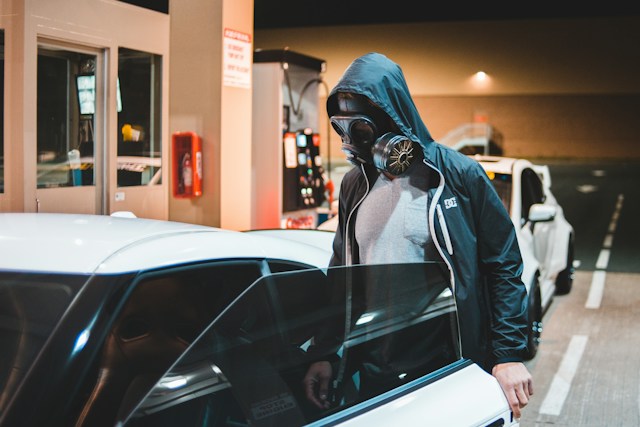
Criminals copy the registration of a legitimate car, usually a similar make and model, and put it on a stolen one. The plate’s record is real, so the report can come back clean, even though the metal in front of you is stolen. That’s why a report alone isn’t enough.
The five-minute clone test
- Before you view: Ask the seller for the registration, make and model, and the MOT test number. Check the details match DVLA’s records and the MOT history, and check for recalls.
- At the viewing: check the V5C has the “DVL” watermark, and that its serial number isn’t in the ranges GOV.UK lists as from stolen blank log books (BG8229501 to BG9999030, or BI2305501 to BI2800000). If it is, call the police when it’s safe. You can also check the GOV.UK page on when buying a used car for the current ranges.
- Check the VIN and the engine number both match the V5C.
- Compare the record with the car. Check make, model, colour, number of doors and engine size on the report against what you can see. A mismatch is a warning sign.
- Find the VIN in more than one place. It’s usually on the dashboard or inside the driver’s door frame. Check they match each other and the V5C.
- Look at the VIN plate. Plates that look new, scratched, or replaced suggest tampering.
- Check the MOT history on GOV.UK against the dashboard mileage and the car’s story. Mileage that doesn’t fit is worth questioning. Our service history guide shows you a step guide on how to do this.
- Check the seller and the V5C. Match the name and address to their ID, and meet at that address. You should read checking who owns a car for step by step guide about this.
Warning signs beyond the paperwork
- A price far below similar cars.
- Scratches near the locks or ignition.
- A missing V5C, or patchy history.
- A seller who avoids questions, or won’t meet at their home.
What to do with each result
| Result | What to do |
|---|---|
| Flagged as stolen | Walk away. Don’t pay, don’t hand over documents and don’t accuse the seller. Report it to the police on 101 (999 if someone is in danger). |
| Clear, but details don’t match | Stop. It may be cloned. Don’t proceed until the seller explains and the VIN matches everywhere. |
| Clear and everything matches | Carry on with your other checks: finance, write-off, history and an inspection. If the report shows a write-off, our Cat N guide explains the categories. |
Pay in a way that protects you
Citizens Advice says that if you paid by debit or credit card, you may be able to get your money back through your bank if a seller refuses a refund. Carwow also suggests paying by card when you can.4 Cash and bank transfers give you little to fall back on, and a large car payment may exceed your card limit. Never pay a deposit, or pay someone other than the seller, before you’ve seen the car and the V5C.
What if you’ve already bought a stolen car?
Citizens Advice gives these steps.5
- Call the police on 101 or take the car to a police station. They’ll try to return it to its owner.
- Don’t keep it, and don’t give it back to the seller. Returning it yourself might be treated as handling stolen goods.
- Get the crime reference number and the property log number when you hand it in.
- Ask the seller for a full refund, showing those numbers and your proof of purchase. Citizens Advice says you have the legal right to a full refund under the Consumer Rights Act 2015. Move quickly on the refund steps as the police can take the car, and you could lose both the car and the money you paid.
- If you paid by card, ask your bank about getting the money back.
- If the seller refuses, a court claim is an option. Carwow notes this can be a long process with no guarantee.
Red flags: walk away if…
- the report flags the car, or the VIN doesn’t match
- the colour, model or engine doesn’t match the report
- the seller won’t meet at their home, or avoids questions
- there’s no V5C
- the price is far below the market
- they push you to pay quickly, in cash or to a third party
FAQs
Sources
- GOV.UK consumer guide: https://www.gov.uk/government/publications/buying-repaired-written-off-vehicles-a-consumer-guide/buying-repaired-written-off-vehicles-a-consumer-guide ↩︎
- Total Car Check: https://totalcarcheck.co.uk/StolenCarCheck ↩︎
- GOV.UK Check a used vehicle you’re buying :https://www.gov.uk/checks-when-buying-a-used-car ↩︎
- Carwow: https://www.carwow.co.uk/used-cars/guides/check-if-a-car-has-been-stolen ↩︎
- Citizens Advice: https://www.citizensadvice.org.uk/consumer/somethings-gone-wrong-with-a-purchase/if-you-think-youve-bought-stolen-goods/ ↩︎


4 Comments