Most Reliable Cars in the UK (2026): The Best Brands and Models, Ranked on MOT, Repair and Owner Data
The most reliable used cars in the UK are the Toyota Yaris, Toyota Aygo, Hyundai i10, and Honda Jazz, which consistently top MOT pass rates, real-world repair data, and owner surveys. Among brands, Lexus, Honda, and Toyota lead the way. Though age, servicing, and maintenance history still matter more than the badge.
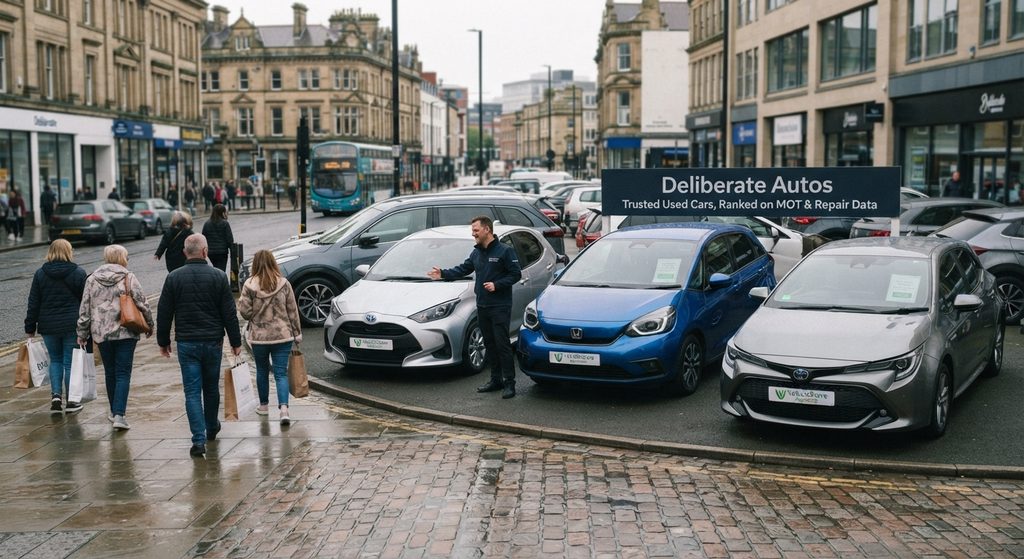
Picture two near-identical hatchbacks on a Leeds forecourt. One saves you £400, and the salesman taps the bonnet to tell you both are “bulletproof”. Odds are they aren’t.
In a 2026 sample of 14.16 million MOT tests, 21.5% ended in a fail, with pass rates swinging from 72.9% for the lowest-scoring major brand to 85.9% for the best1
In this guide, we’ll break down which makes and models actually hold up over time, why age-adjusted MOT data matters, and how to use free DVSA records before you buy.
Table of Contents
How we picked: four lenses, not one
No single number measures reliability. We weighed four kinds of evidence, then looked at the everyday realities that decide whether you’ll actually enjoy owning the car: safety, comfort, equipment and running costs.
- MOT pass rates: They show how well cars wear and how well they’re looked after, though they miss major engine and gearbox failures.
- Repair data: Warranty claims reveal how often and how expensively models go wrong once out of the showroom.2
- Owner surveys: Thousands of drivers report real-world faults, though most surveys skew toward newer cars.
- A mechanic’s view: Independent garages judge cars by what it costs when something breaks, and how they age past 100,000 miles.3
Buyer Reality Check: A glowing survey score for a two-year-old car tells you very little about an eight-year-old one. Always match the evidence to the age of the car you’re actually buying.
Which car brands are the most reliable?
Ranked by MOT pass rate, these are the biggest everyday makes in the UK. The average across the entire sample sits at 78.5%.
| Make | MOT Pass Rate | Warranty Length |
| Skoda | 81.0% | n/a |
| Honda | 79.7% | n/a |
| Toyota | 79.3% | Up to 10 years (or 100,000 miles) with servicing |
| Mazda | 79.1% | n/a |
| Suzuki | 78.5% | 7 years |
| Hyundai | 78.2% | n/a |
| Kia | 78.0% | 7 years (or 100,000 miles) |
| Volkswagen | 77.8% | n/a |
Premium makes post higher pass rates overall: Lexus (85.9%), Porsche (84.6%), Audi (82.0%), BMW (81.8%) and Mercedes-Benz (80.6%). Lexus also offers up to 10 years of warranty with annual dealer servicing. At the bottom of the table sit Renault (72.9%), Citroën (74.2%), Fiat (74.8%), Vauxhall (75.8%) and Peugeot (75.9%).
Buyer Reality Check: Brands with younger fleets look better on paper. Lexus, Porsche and Tesla have a higher share of newer cars on the road, so their pass rates partly reflect vehicle age rather than pure engineering. Always compare models of a similar age.
Where the evidence agrees
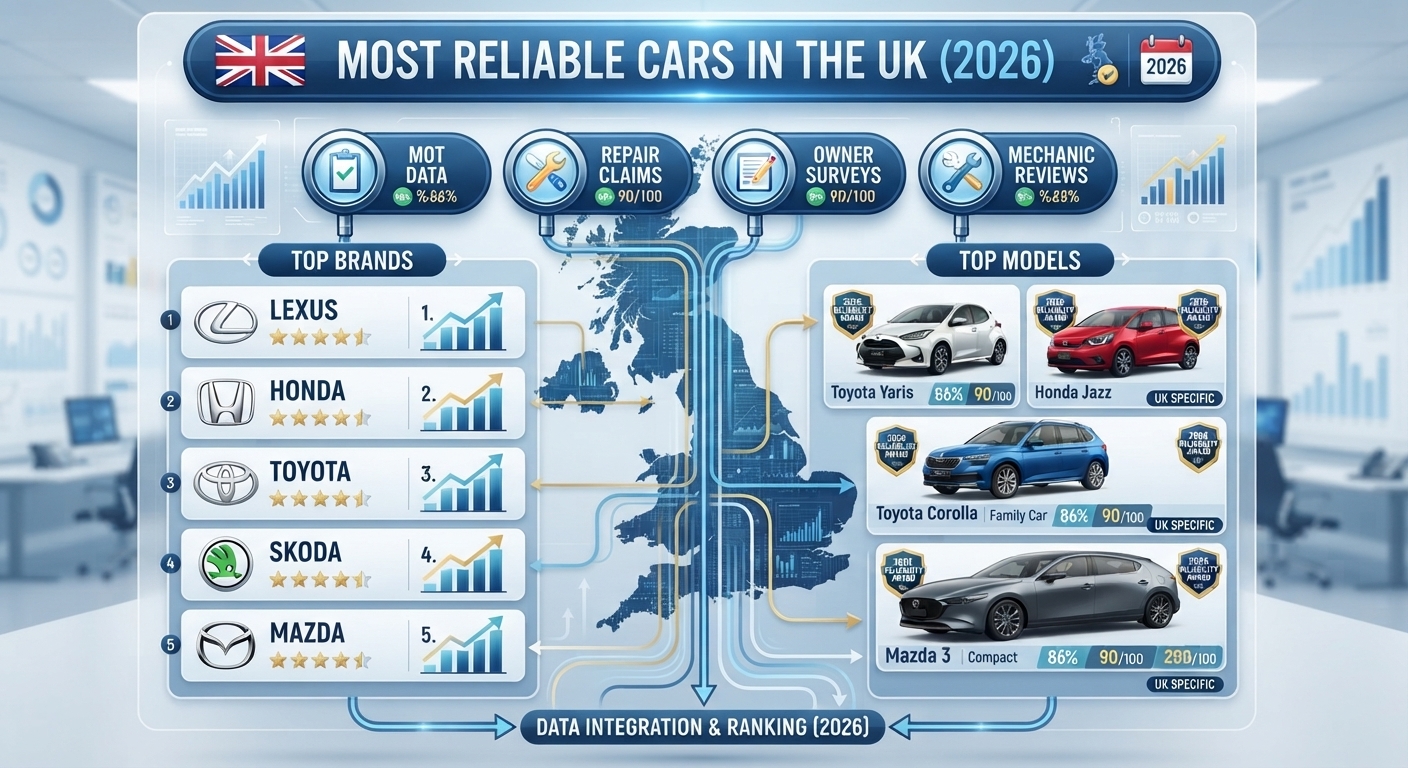
When MOT records, warranty repair figures and owner reports all point in the same direction, you have a shortlist you can trust. Blank cells mean there is no single figure we rely on for that metric. At the opposite end of the repair table, large premium cars score just 17 to 19 out of 100.
| Model | MOT Pass Rate | Repair Data Score | Owner Survey Highlight |
|---|---|---|---|
| Toyota Yaris | 78.6% | 89.2 / 100 | n/a |
| Kia Picanto | 75.9% | 86.8 / 100 | n/a |
| Toyota Aygo | 78.1% | 83.8 / 100 | n/a |
| Toyota RAV4 | n/a | 79.9 / 100 | n/a |
| Hyundai i10 | 78.4% | n/a | 0 faults reported in 24 months |
| Honda Jazz | 80.5% | n/a | n/a |
Blank cells with n/a means there’s was no figure we could trust. The Yaris, Aygo and i10 have the most support. Large premium cars sit at the bottom of the repair data, scoring 17 to 19 out of 100.
Our shortlist at a glance
| Model | Best For | Watch For |
|---|---|---|
| Toyota Yaris | Town driving and economy | A small boot |
| Honda Jazz | Space in a small car | A higher purchase price |
| Toyota Corolla | A family hybrid | Cramped rear legroom |
| Toyota RAV4 | A dependable SUV | High theft risk |
| Hyundai i10 | City driving | Three-star safety rating |
| Kia Picanto | A tight budget | A small boot |
| Toyota Aygo | The cheapest way in | Basic and noisy on motorways |
1. Toyota Yaris: the one to beat
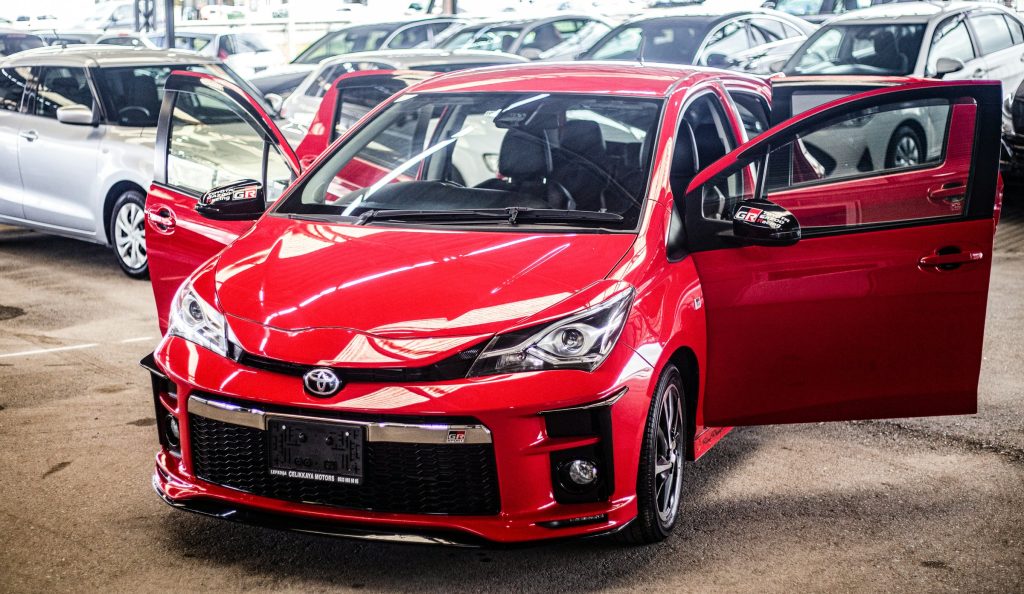
At a glance: 1.5 hybrid, 116 bhp (130 bhp on higher trims) · 0–62 mph in 9.7 seconds · Boot 286 litres
The current Yaris is the strongest all-rounder on this list. It scores 89.2 out of 100 on repair data and earned five stars from Euro NCAP under tougher crash testing. Every version is a full hybrid, meaning there is no clutch to burn out and no charging cable to wrestle with.4
Around town it feels smooth, quiet and remarkably frugal. The trade-offs are a slightly bouncy ride over broken tarmac and a 286-litre boot that sits near the bottom of its class. Service it annually at a Toyota dealer and warranty cover can run up to 10 years.
Our verdict: The most dependable small car you can buy used. Pay the premium.
2. Honda Jazz: the roomiest small car
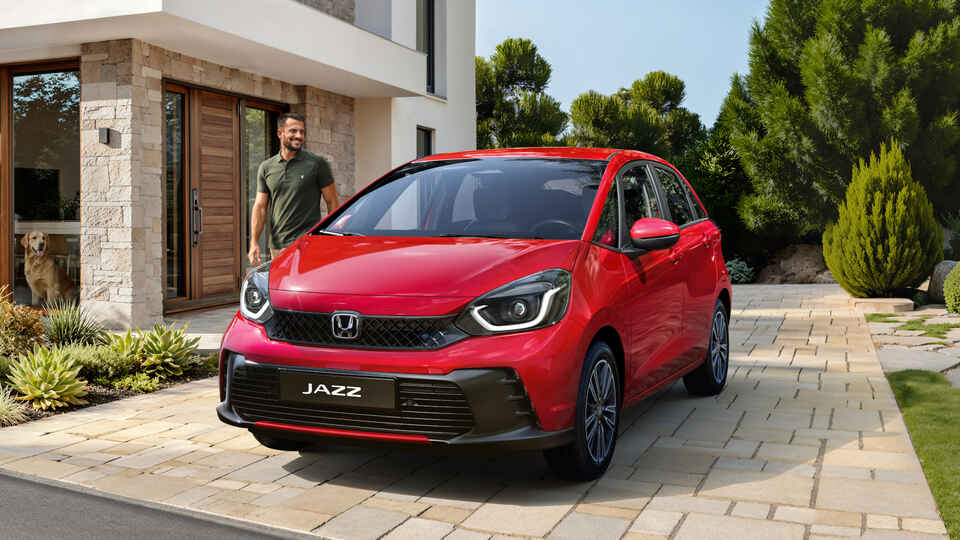
At a glance: 1.5 e:HEV hybrid, 109 bhp · 0–62 mph in 9.4–9.6 seconds · Boot 304 to 1,205 litres
The Jazz wears a supermini footprint but carries like a compact MPV. Honda’s rear “Magic Seats” flip and fold multiple ways, and the boot beats the Yaris comfortably. Because the petrol engine spends most of its time acting as a generator, it drives much like an electric car and real-world economy around 60 mpg is achievable. It also holds a five-star Euro NCAP rating.5
It prioritises ease over excitement, and used prices sit above most rivals. Older, pre-hybrid Jazz models cost considerably less, though they are a different generation entirely.
Our verdict: The smartest pick if you need genuine practicality and want a car that starts every cold morning without drama.
3. Toyota Corolla: the sensible family hybrid
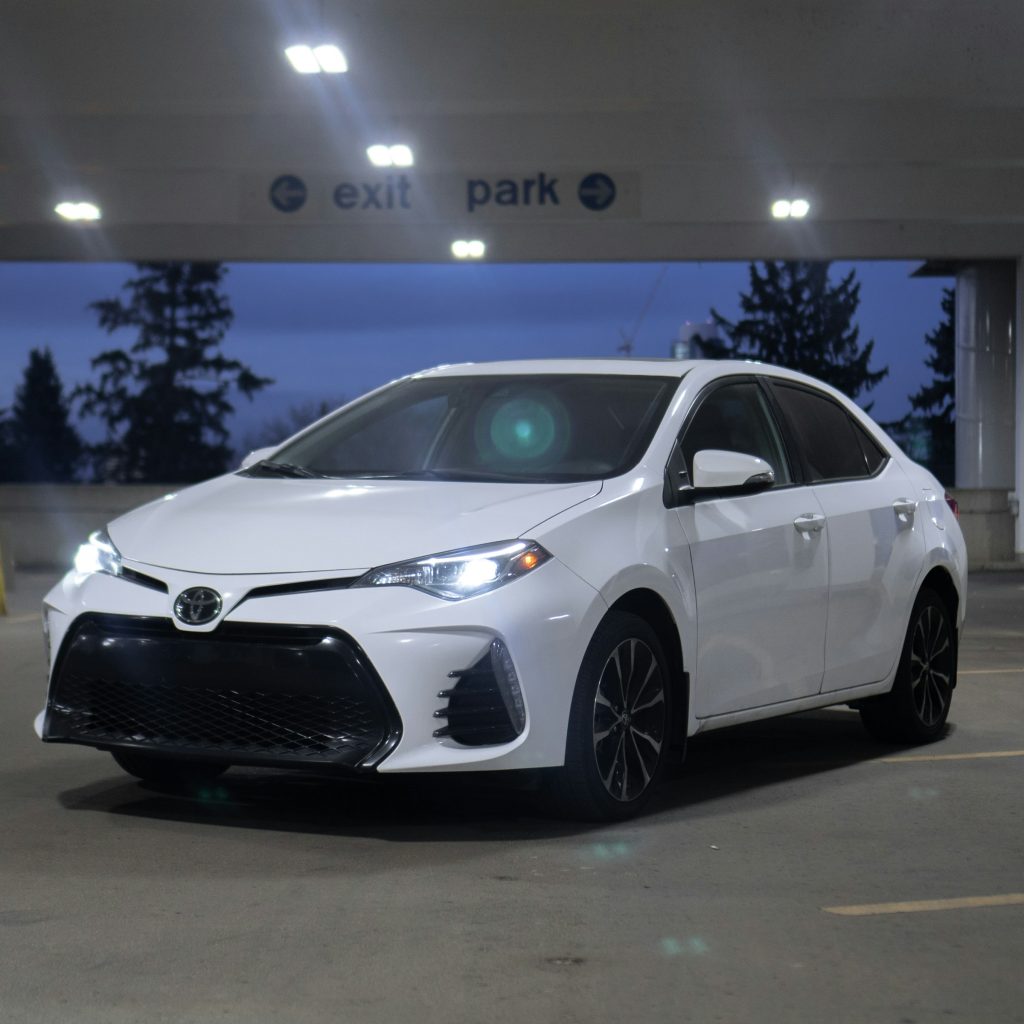
At a glance: 1.8 hybrid, 140 PS (2.0 hybrid also sold) · Up to ~60 mpg · Boot ~361 litres (hatch) or 598 litres (Touring Sports)
The Corolla pairs a proven hybrid drivetrain with Toyota’s long-term durability, backed by up to 10 years of warranty with annual dealer servicing. It consistently ranks among fleet cars with the fewest unplanned days off the road, and the Touring Sports estate swallows family luggage with ease.
Its main compromise is rear passenger space, which feels tight for taller adults on longer trips.
Our verdict: A quiet, low-stress family workhorse provided you rarely carry tall adults in the back.
4. Toyota RAV4: the reliable SUV
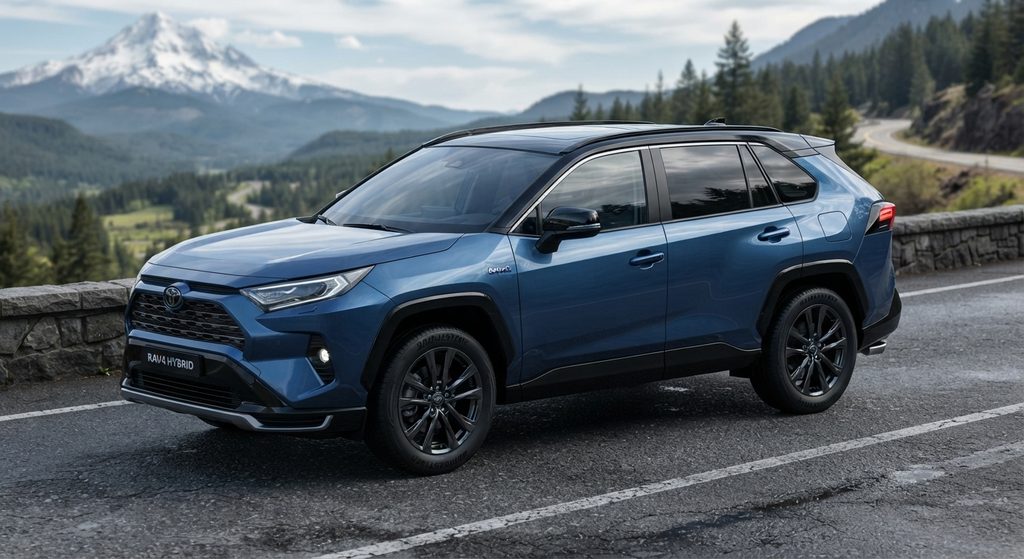
At a glance: Hybrid · Up to 10 years’ warranty with annual servicing
Scoring 79.9 out of 100 on repair data, the RAV4 stands out in a large SUV segment where prestige rivals frequently dip below 20. It rides comfortably, offers a commanding view of the road and is engineered for high-mileage longevity, even if the cabin feels functional rather than plush.
There is one major caveat: thieves target it heavily. UK theft data shows 1,319 RAV4s were stolen in a single year, so budget for a Thatcham-approved steering lock and park securely wherever possible.
Our verdict: The safest bet in the used family SUV market as long as you take physical security seriously.
5. Hyundai i10: the best small city car
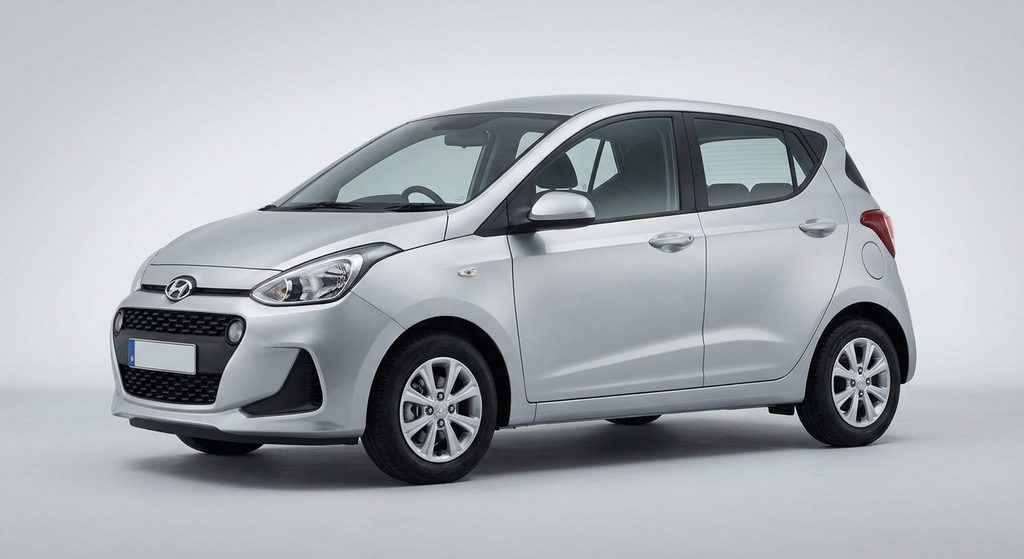
At a glance: 1.0 or 1.2 petrol
In What Car’s survey of 32,493 owners, the Hyundai i10 recorded zero faults over 24 months- a rare clean sweep. It is light at the wheel, effortless to thread into tight spaces and cheap to fuel and insure.
The catch is crash protection: Euro NCAP awarded the current generation three stars, behind the Yaris and Jazz. Look for higher trims equipped with the full active safety pack.
Our verdict: The best low-cost city runaround for dependability. Hunt down the best-equipped trim your budget stretches to.
6. Kia Picanto: the cheerful budget choice
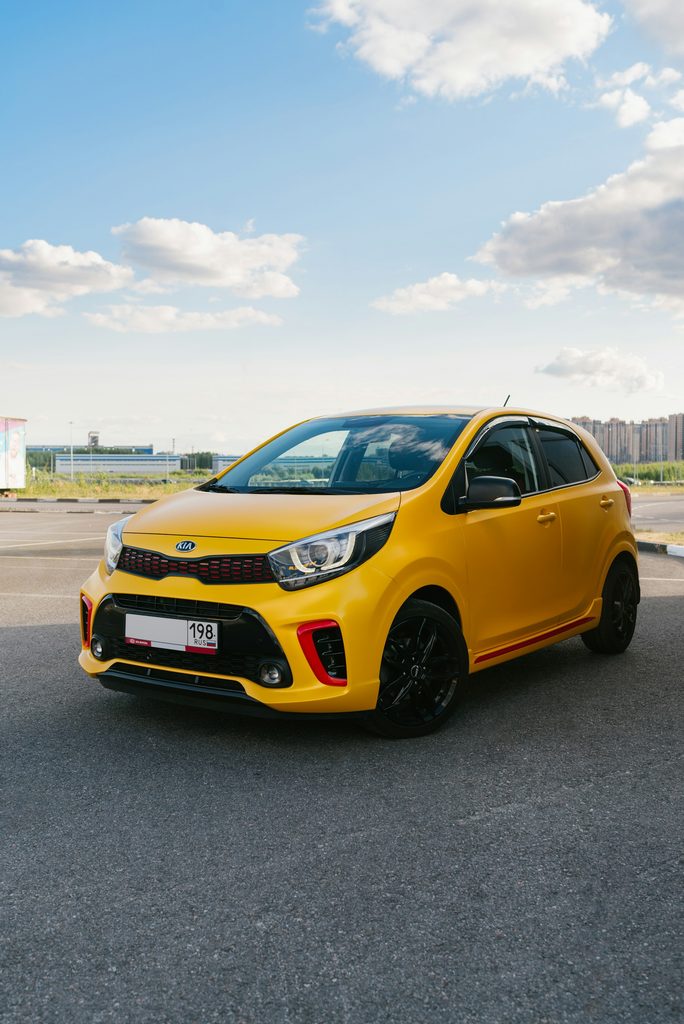
At a glance: 1.0 or 1.2 / 1.25 petrol · Boot 255 litres
With an 86.8 out of 100 repair score, the Picanto punches well above its price tag. Mid-range trims bring an 8-inch touchscreen, insurance groups start as low as 1 to 3 depending on version, and Kia’s seven-year warranty transfers to subsequent owners if servicing has been kept on schedule.
Our verdict: A simple, honest small car at its best when bought nearly new with transferable factory warranty left.
7. Toyota Aygo: the cheapest way in
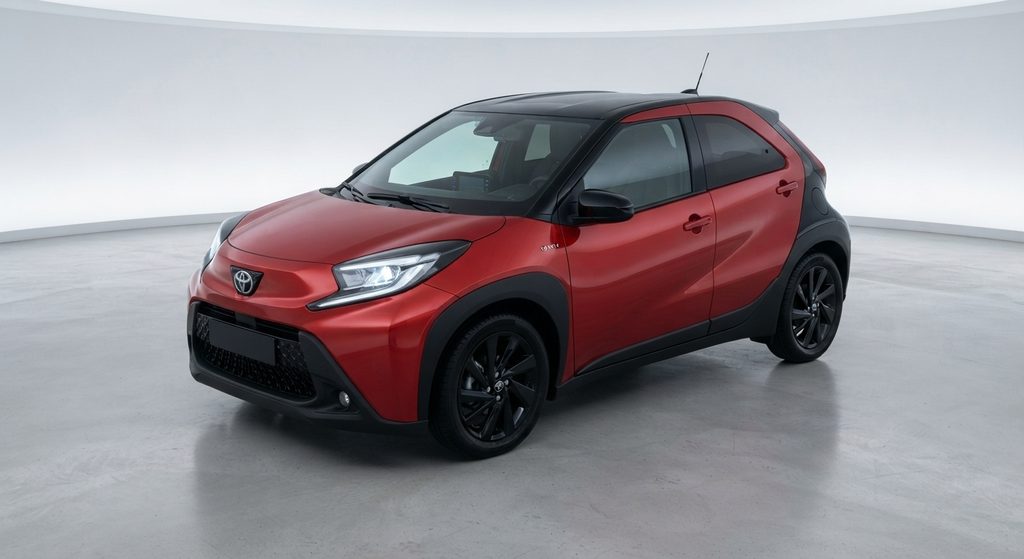
At a glance: 1.0 petrol
The Aygo scores 83.8 out of 100 on repair data and achieved a 78.1% MOT pass rate. Crucially, it never used the wet-belt 1.2 PureTech engine fitted to certain Citroën and Peugeot siblings, keeping mechanical risk low. Out of town, however, the 1.0-litre engine works hard and road noise rises on dual carriageways.
Note that the newer, taller Aygo X is a different and pricier model, so check which generation you are viewing.
Our verdict: The sharpest budget buy when money is tight and most of your miles happen around town.
What fails first, and how to protect yourself
- Simple naturally aspirated petrols: Non-turbo Toyota, Mazda and Honda petrol engines consistently suffer the fewest major failures.
- Small turbocharged petrols: They rely on strict oil-change intervals; stretch servicing and carbon build-up or turbo wear follows.
- Small diesels on short school runs: Repeated cold trips clog DPFs and accelerate turbo and timing-chain wear.
- Hybrids: Main traction batteries hold up well, but the small 12-volt auxiliary battery typically needs replacing every five or six years.
Pro Tip: Never assume a long manufacturer warranty still applies. Confirm whether cover transfers to a second owner and check the service book for missed stamps—Toyota and Lexus offer up to 10 years with annual dealer servicing, while Kia and Suzuki run to seven.
Why a pass rate isn’t the whole story
Vehicle age moves the needle more than any badge on the grille. Across the MOT sample, pass rates slide steadily from 87.4% at 0–2 years old down to 71.3% once cars pass 15 years.
| Car Age | MOT Pass Rate |
|---|---|
| 0–2 years | 87.4% |
| 3–5 years | 84.4% |
| 6–8 years | 79.3% |
| 9–11 years | 75.0% |
| 12–14 years | 72.3% |
| 15 years or over | 71.3% |
Even within the exact same age bracket, durability diverges sharply: at 9 to 11 years old, the Volkswagen Golf passes 77.9% of its tests, while the Renault Clio sits at 67.3%.
Buyer Reality Check: A clean MOT certificate only confirms the car met minimum roadworthiness standards on test day. It tells you nothing about the health of a hybrid battery, timing chain or automatic gearbox.
How to check any car before you buy it
- Read the MOT history. See our mileage check guide.
- Check the service history. See how to check service history.
- Run a paid history check. See how to check if a car is stolen and our Cat N guide.
- Confirm the seller. See how to check who owns a car.
- Use the checklist. Take our free viewing checklist with you.
FAQs
What to do next
- Shortlist two or three cars, then compare ones of a similar age.
- Check the individual car, not just the badge.
- Know your rights. From a dealer, a car must be of satisfactory quality, fit for purpose and as described under the Consumer Rights Act 2015, and you generally have 30 days to reject a faulty one. Private sellers must describe the car accurately under the Sale of Goods Act 1979. Citizens Advice can explain your options on 0808 223 1133.
- If you’re scammed, contact your bank, then report it to Report Fraud. See our car scams guide.
This guide is general information, not legal or financial advice. MOT pass rates and survey scores describe groups of cars, not the car in front of you. Always check an individual car and consider an independent inspection.
- VehicleScore: https://vehiclescore.co.uk/mot-check · ↩︎
- Warranty24, citing Warrantywise and What Car?: https://www.warranty24.co.uk/guides/most-reliable-used-cars-uk ↩︎
- Bob’s Mechanical Repairs: https://bobsmechanicalrepairs.co.uk/blog/most-reliable-cars-2026-mechanics-view ↩︎
- Euro NCAP, Yaris: https://www.euroncap.com/assessments/toyota/yaris/0821/ ↩︎
- Euro NCAP, Jazz: https://www.euroncap.com/assessments/honda/jazz/0830/ · ↩︎