Buying Your First Car: A Step-by-Step UK Guide
To buy your first car, set a budget that covers insurance, tax, MOT and repairs as well as the price, get insurance quotes before you pick a model, check the car and its paperwork, and pay safely. Then insure and tax it before you drive away
RAC Insurance data shows the Fiat 500 gets the lowest average quotes of any car for 17-year-old drivers, which shows how much insurance can shape a first-car choice.1
Your first car is probably the biggest purchase you’ve made and the one you know least about. The price on the advert is only the start.
In this guide, you’ll learn each step in order, which of our checks to use at each one, and what to do on handover day.
Table of Contents
Key Takeaways
- Budget for the whole cost of owning, not just the price.
- Get insurance quotes before you fall for a car.
- Check the history, paperwork and keepers yourself.
- Never pay before you’ve seen the car.
- Insure and tax it before you drive it away.
How much should you budget for a first car?
Asides price, Insurance is often the biggest and RAC says it will limit most new drivers to a small, low-powered car.
Add tax, MOT, servicing and fuel, then keep a repair fund. Buying the cheapest car possible can be a false economy, because unplanned maintenance can cost thousands. Hence, we suggests saving anywhere from £3,000 to £13,000, depending on your circumstances.
Get insurance quotes before you choose
Insurance can rule out cars you’d otherwise like, so get indicative quotes before you set your heart on a model. RAC notes that young drivers may save with black box (telematics) cover, and that you should always compare prices. Insurance groups also vary by engine and trim, so quote the exact version. Be wary of very cheap quotes from social media. Our car scams guide explains ghost brokers.
What kind of car suits a first-time driver?
Small cars with small engines are easier to park and cheaper to insure. We suggest a newer, smaller car over an older, bigger one for the same money, because newer cars tend to be in better condition, with more safety features and lower insurance. Avoid models with a poor reliability or safety record. For example a Mitsubishi Mirage, which is rated 2 out of 10 by carwow and most dealerships2
Check the car before you view it
GOV.UK suggests asking the seller for the registration, make and model, and the MOT test number, then checking they match DVLA’s records and the MOT history. Then run these:
| Check | What it tells you | Our guide |
|---|---|---|
| Free tax and MOT status | Tax, SORN, MOT | Taxed check |
| Paid history check | Stolen, finance, write-off, mileage | Stolen check |
| Keepers and owners | How many keepers, whether the seller is genuine | Who owns it |
| Service history | Whether it was maintained | Service history |
| Write-off category | Whether it’s been written off | Cat N guide |
View it and test drive it
We can’t emphasize this enough, see the car at the address on the V5C first, with the seller’s ID matching. At the viewing, check the V5C has the DVL watermark and that the VIN and engine number match it. Inspect the car in daylight and test drive it, and have a mechanic check it if you can.
Pay safely
Never pay a deposit before you’ve seen the car, never pay by gift card, crypto or a link from the seller, and stop and check before you pay. See our car scams guide.
Handover day: insure first, tax second, then drive
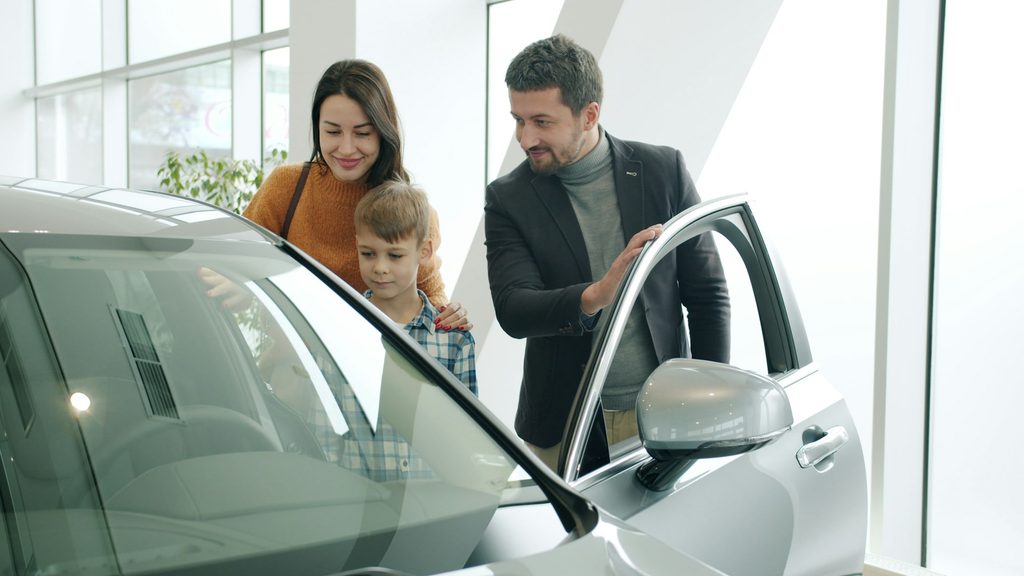
Tax doesn’t transfer, so you must insure and tax the car before you drive it away, using the green V5C/2 slip. Our taxed car guide covers the order. Get a receipt, and keep the slip until your new V5C arrives.